

Home / Patient Transport Ambulance (PTS)

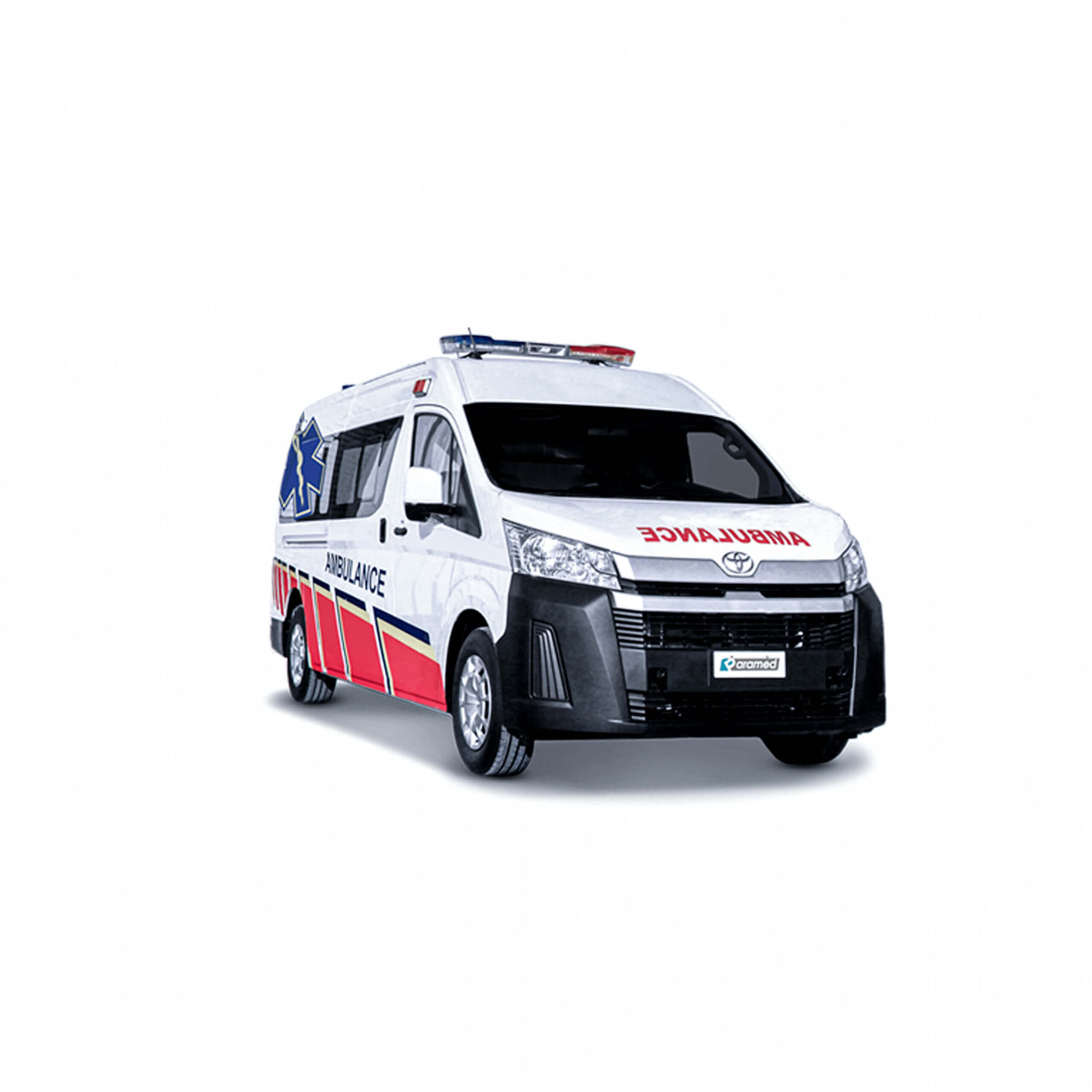
Patient transport ambulance

Patient Transport Ambulances are designed for the safe and comfortable transfer of stable patients who do not require emergency medical intervention.

Function

Used for inter-hospital transfers, outpatient transportation, dialysis services, and scheduled long-distance patient movement, with a focus on comfort, accessibility, and continuous monitoring rather than emergency response.

Standards

EN 1789 / GSO 1789 – Type A1 (Single Patient)

EN 1789 / GSO 1789 – Type A2 (Multiple Patients)

Available Chassis

Patient Transport Ambulances are engineered to be adaptable across multiple certified chassis platforms, providing fully customized solutions tailored to specific transport requirements. Each vehicle is developed in compliance with international standards, ensuring comfort, safety, and reliability.
Ambulance Engineering & Manufacturing Process

Structural Engineering

The vehicle body structure is reinforced to ensure durability, safety, and long-term integrity, with additional reinforcements applied where required.

Electrical Systems Integration

The electrical infrastructure is installed, including structured wiring, control units, and communication networks, forming the core technical backbone of the vehicle.

Insulation & Protection

Thermal and acoustic insulation is applied, along with protective treatments, to protect systems and ensure resistance to corrosion, moisture, and harsh environments.

Interior Build

Walls, ceilings, and flooring are constructed using durable, hygienic materials with anti-slip and easy-to-clean finishes, suitable for medical environments.

Cabinetry & Storage

Cabinet systems are installed to provide durable, hygienic, and efficiently organized storage, adapted to project-specific requirements.

Layout & Climate Systems

The interior layout is finalized to ensure efficient workflow and safe access, while climate systems maintain controlled temperature and airflow within the vehicle.

Lighting Systems

Interior, exterior, and emergency lighting systems are installed and configured to ensure visibility, safety, and operational readiness.

Medical Equipment Integration

Medical systems—including stretcher units, oxygen supply, suction systems, and mounted equipment—are securely integrated for safe and efficient operation.

Design & Livery Customization

Exterior and interior design elements are applied to align functionality with a clear visual identity, including branding, color schemes, and reflective markings based on client requirements.

System Programming & Control

All systems are programmed and calibrated to ensure proper functionality, coordination, and operational logic.

Testing & Validation

Each vehicle undergoes comprehensive testing to verify system performance, safety, stability, and reliability prior to delivery.

Dimensions & Standards Compliance

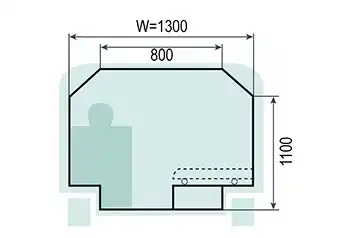
Paramed Type A Ambulances are meticulously manufactured to ensure optimal patient comfort and safety, reflecting our commitment to high standards in emergency vehicle manufacturing.
Standards

Standards

Adherence to EN 1789:2007 for patient’s compartment dimensions.
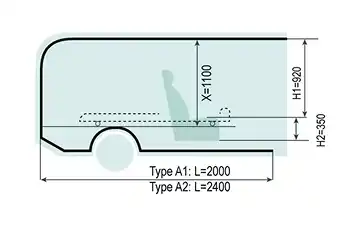
Measurements

Measurements

Includes Width (W), Length (L) from rear to partition wall at stretcher height, Height (X) from stretcher assembly to roof, and Seat level heights (H1 and H2).
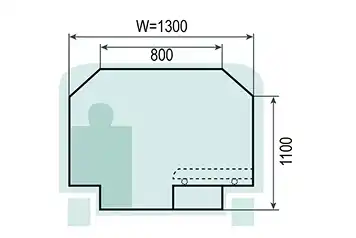
Specifics for Type A2

Specifics for Type A2

Length of 3100 mm, width of 1500 mm, height of 1750 mm, with side radius not exceeding 250 mm from a height of 1500 mm to 1700 mm.