

Ambulance Engineering & Manufacturing Process
Our Ambulance Engineering & Manufacturing Process, step by step
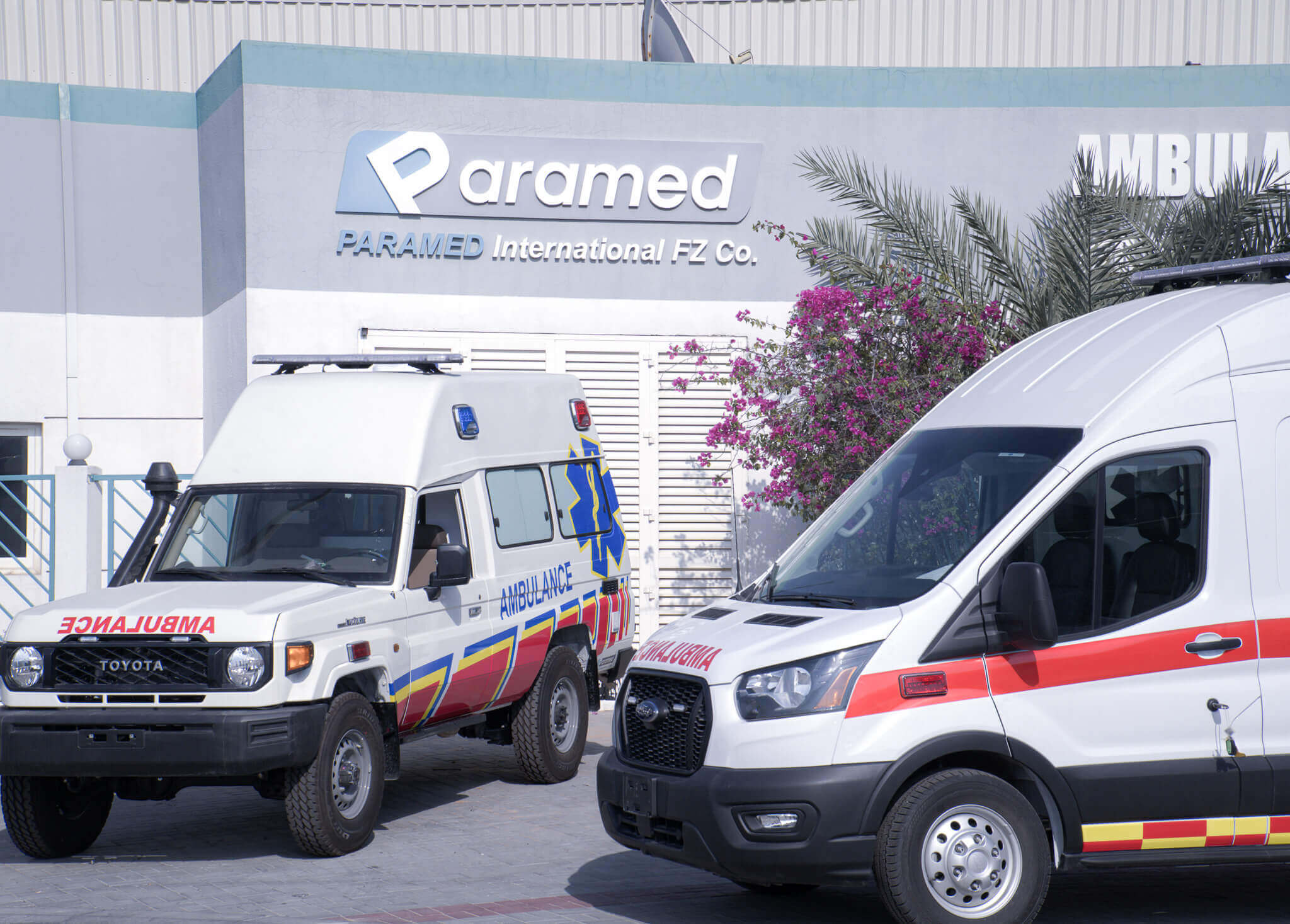
Ambulance manufacturing is a precise, standards-driven discipline, and every vehicle Paramed builds at our Jebel Ali Free Zone facility in Dubai passes through the same rigorous twelve-stage process — from initial engineering design to final road testing. This page walks through our ambulance manufacturing process step by step, and explains why disciplined production matters for the hospitals, governments, and fleet operators who rely on our vehicles across the GCC and Africa.
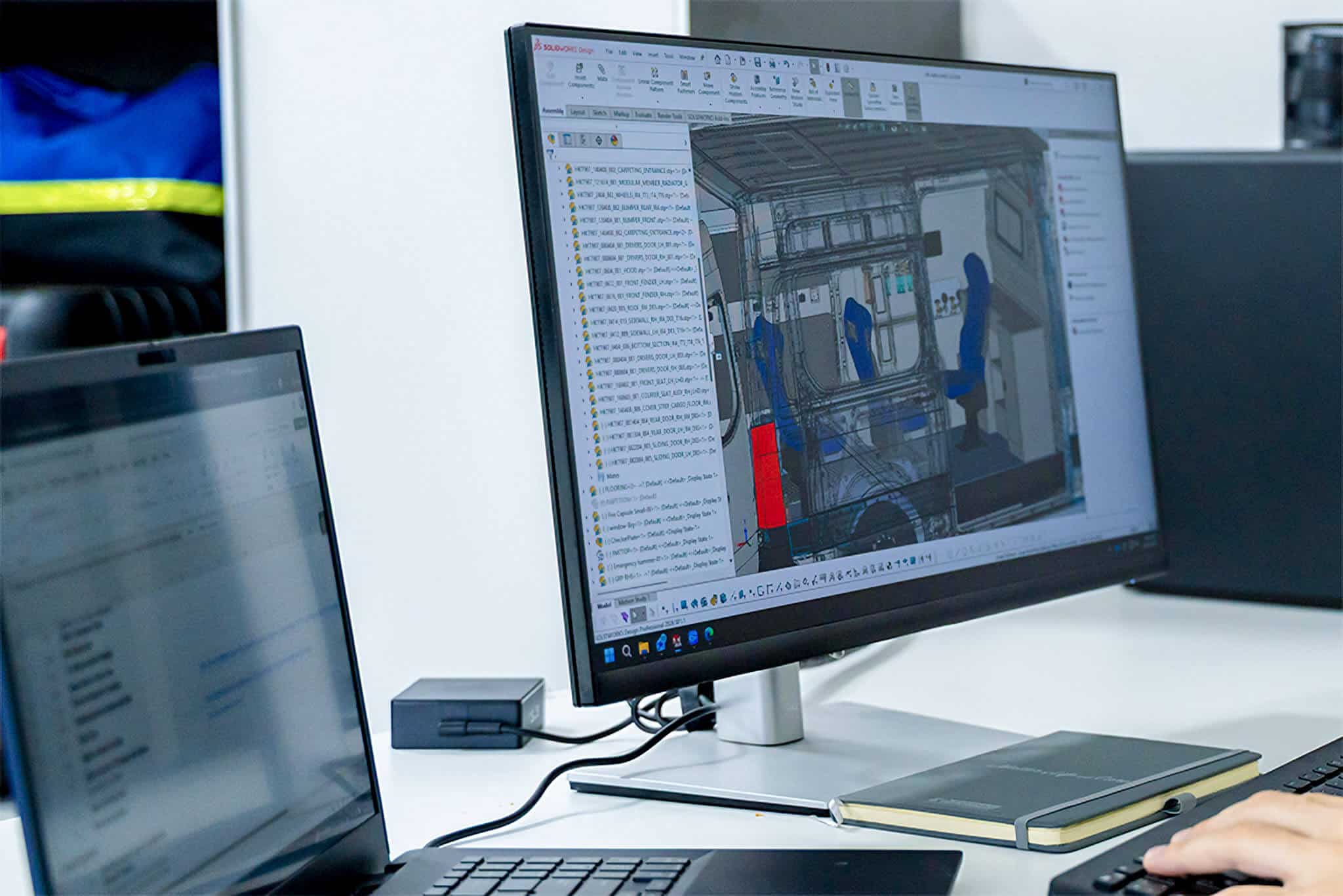
Every Paramed ambulance starts as a CAD blueprint.
Long before a vehicle reaches the production floor at our Jebel Ali Free Zone facility in Dubai, our engineering team maps out every bracket, wiring channel, and equipment mount in detailed CAD drawings. This upfront precision is what separates a properly engineered ambulance manufacturing process from a converted van — and it's why Paramed vehicles are built to perform in the field, not just look good on paper.
Each design is checked against EN 1789, GSO 1789, and KKK-A-1822F requirements before a single panel is cut, so compliance is built in from day one rather than patched on at the end.
Ambulance Engineering & Manufacturing Process
Engineering Design & Planning
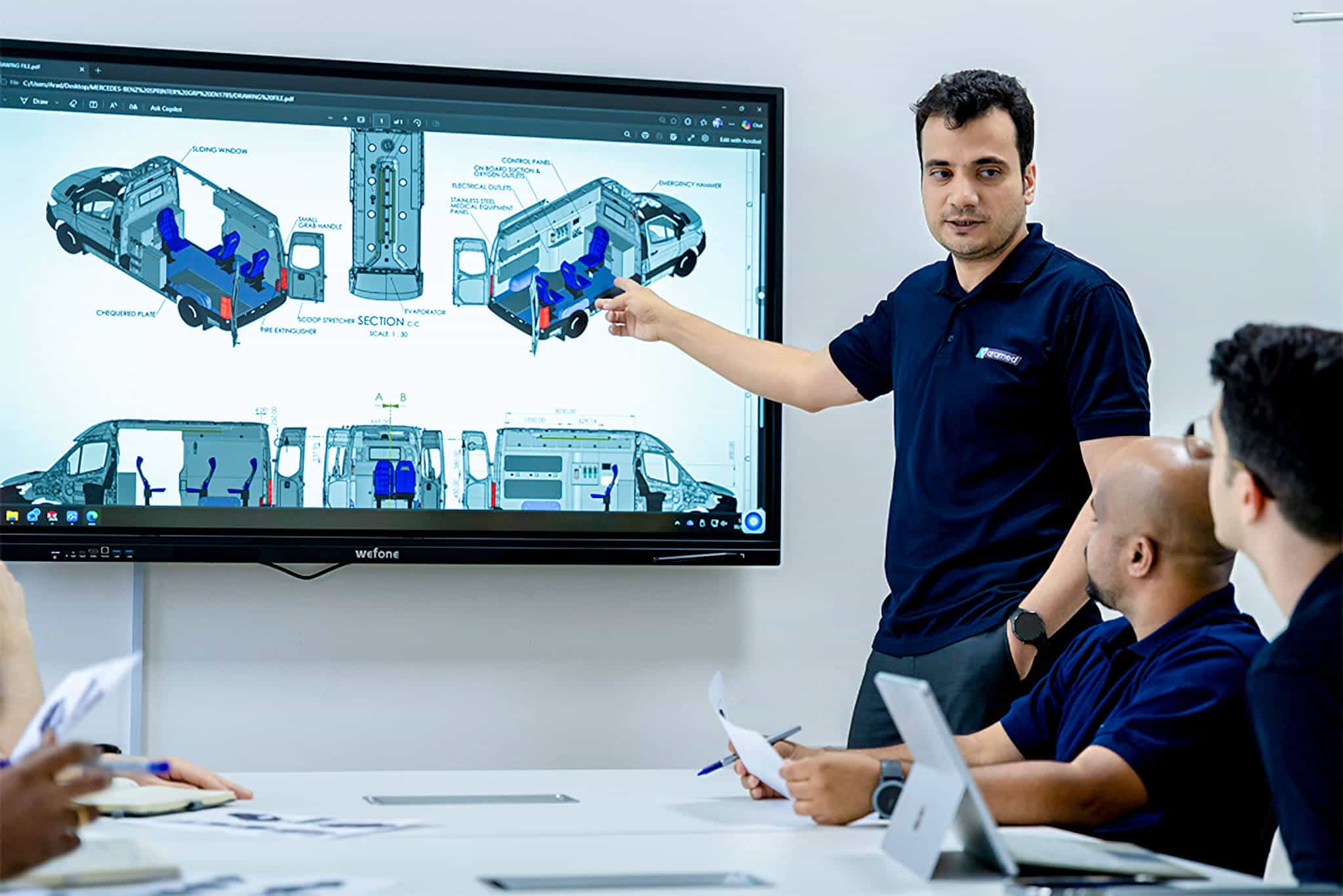
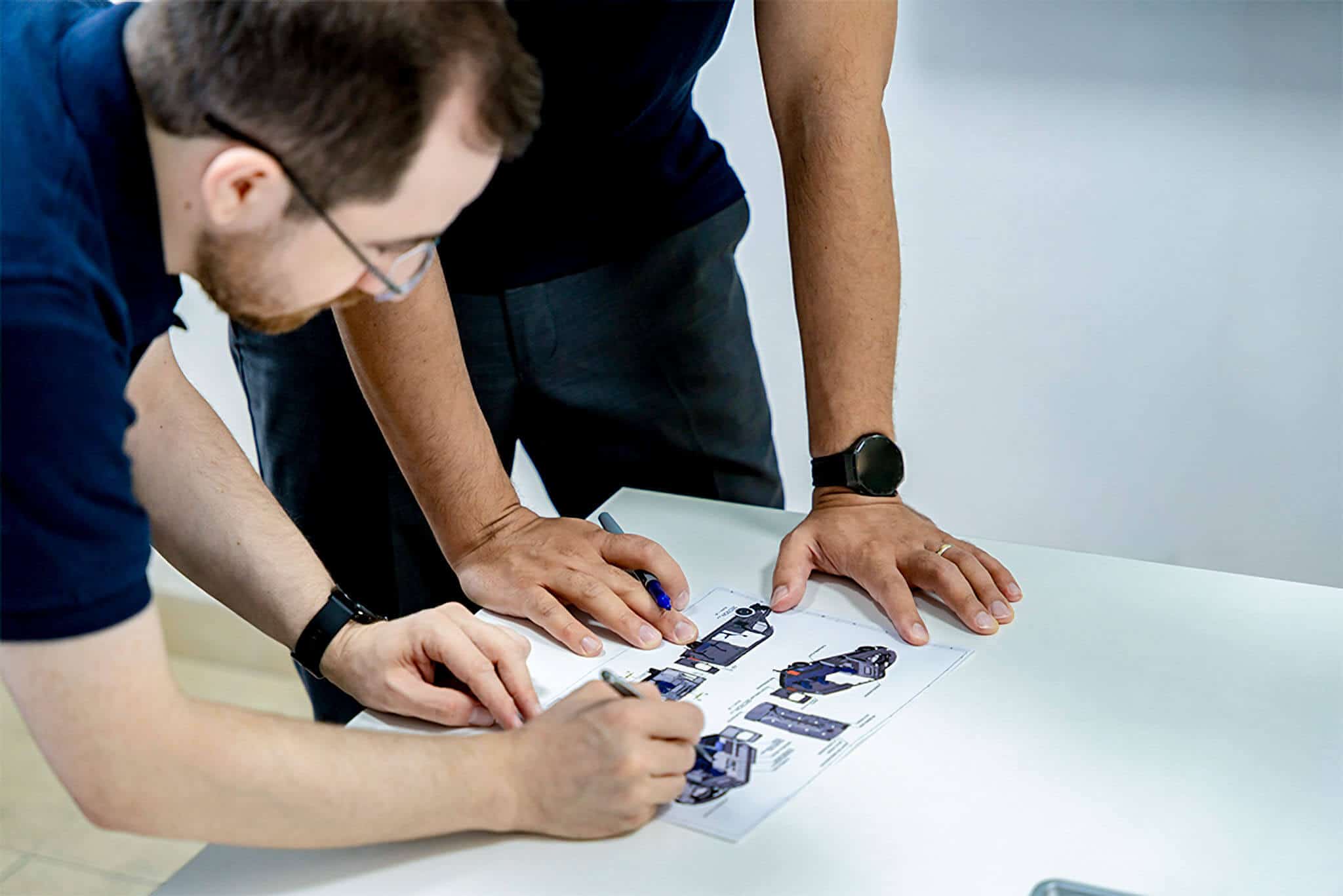
Each project begins with detailed engineering design and planning, where the vehicle layout, technical systems, equipment placement, and operational requirements are developed before production begins.
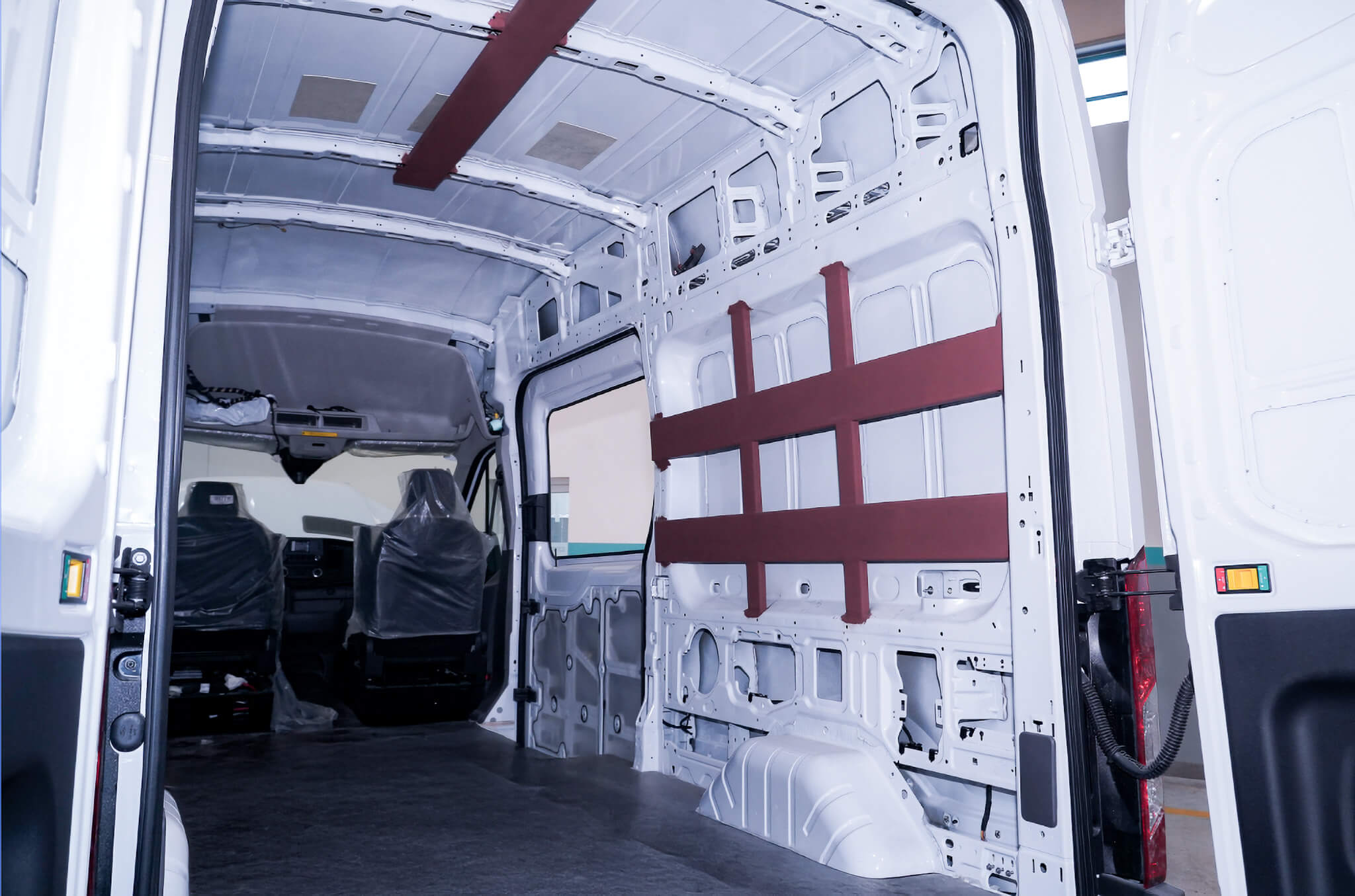
Fabrication & Manufacturing
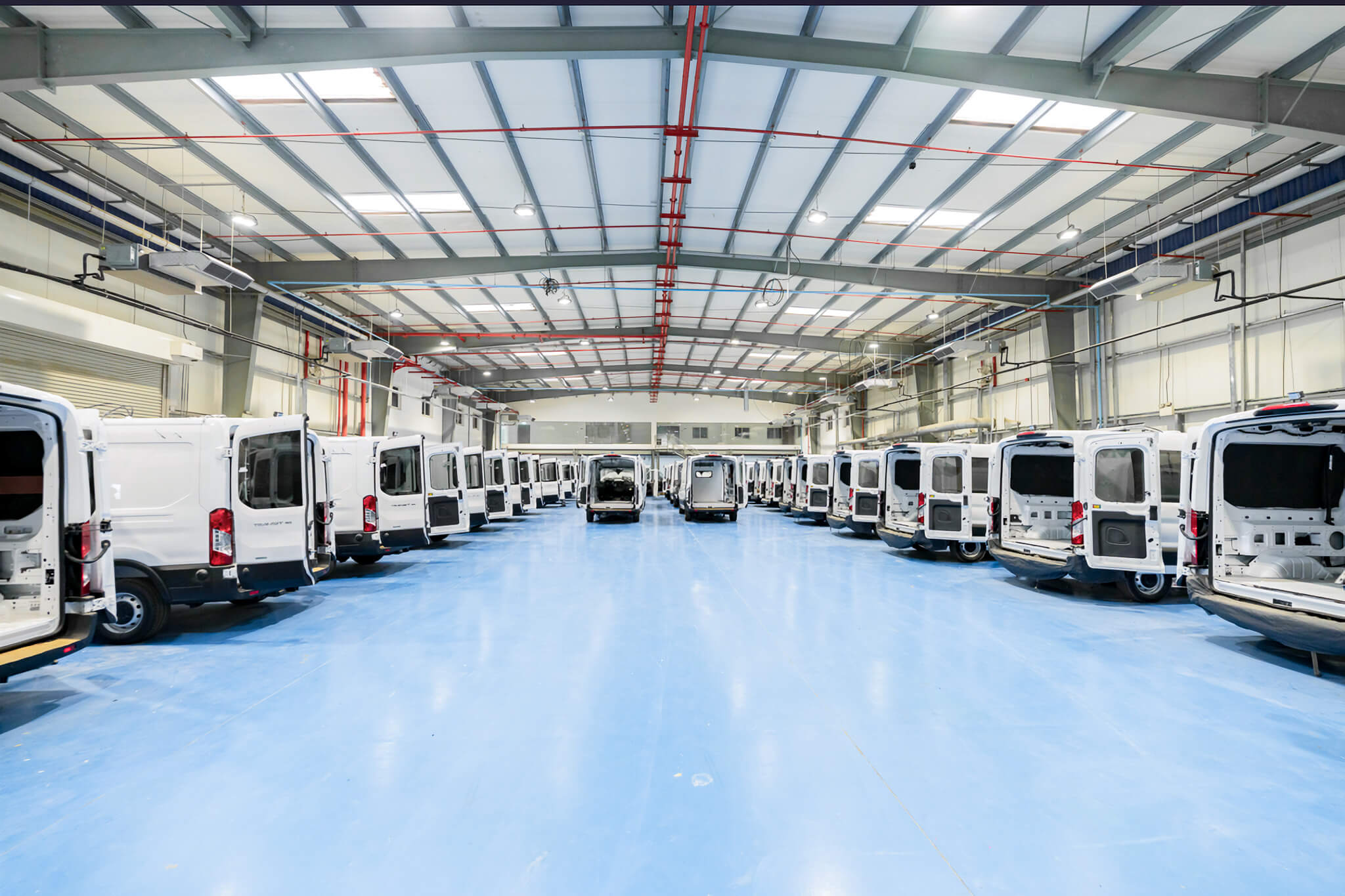
The vehicle body structure is reinforced to ensure durability, safety, and long-term integrity, with additional reinforcements applied where required.


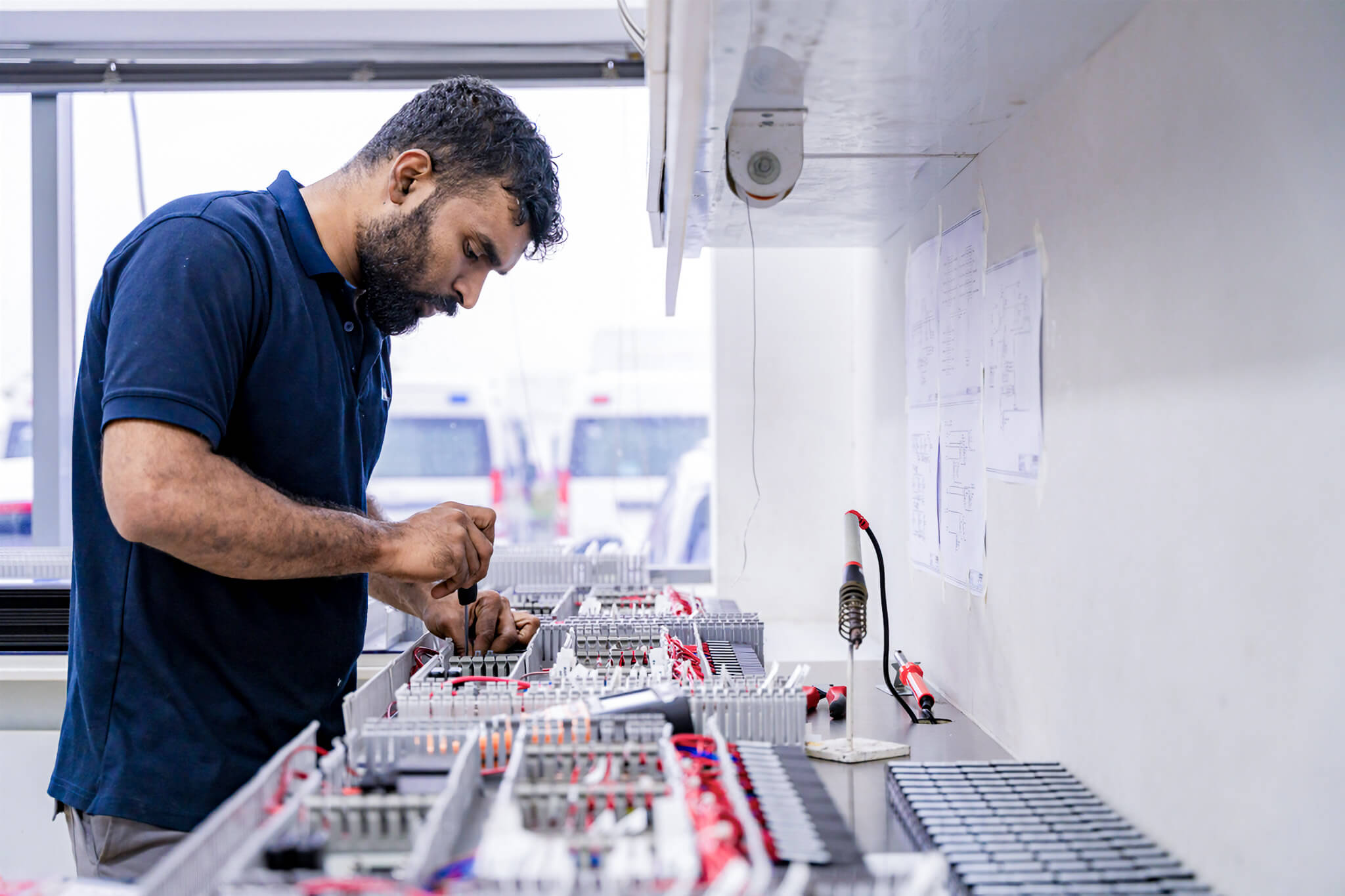
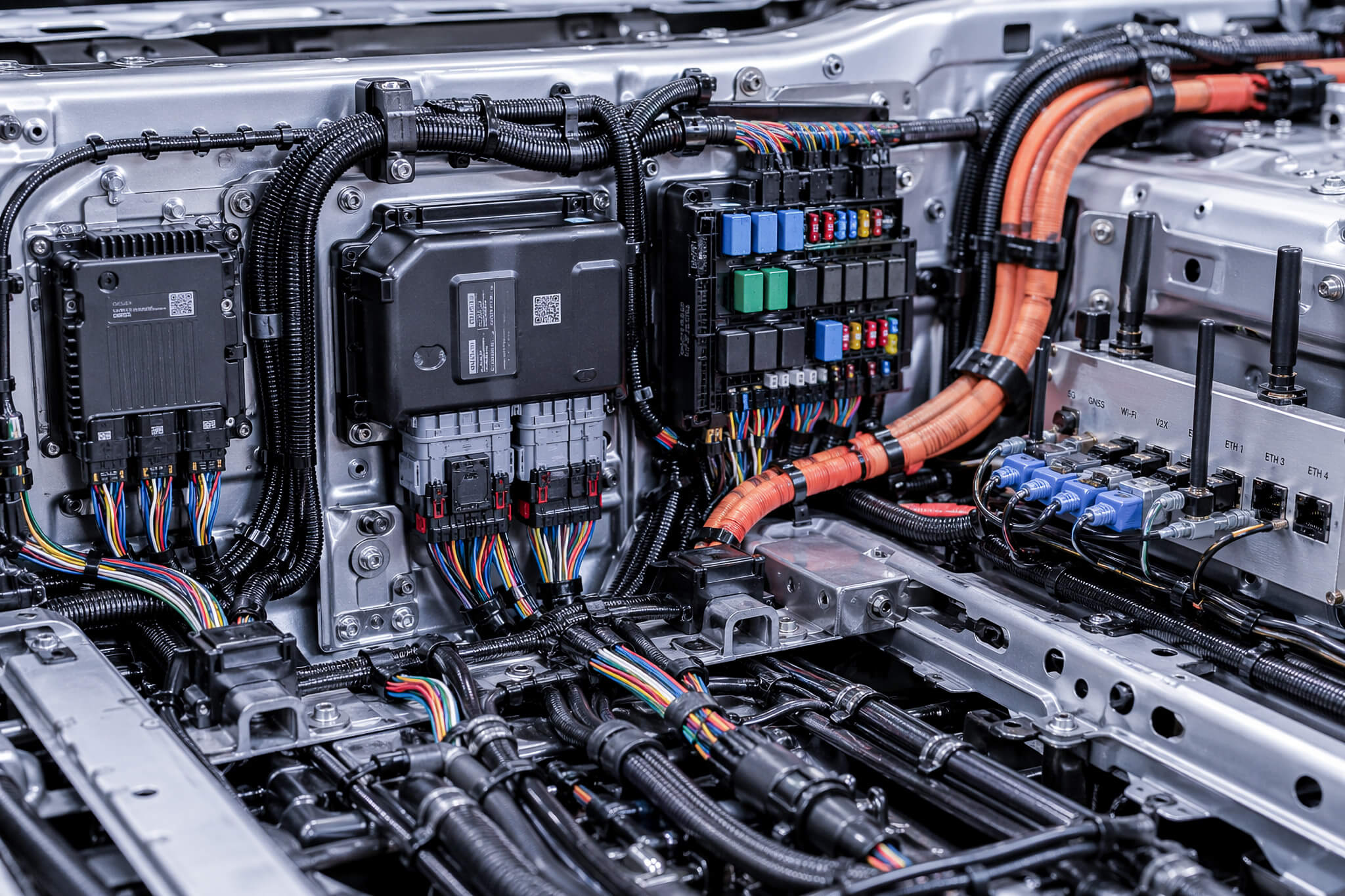
Electrical Systems Integration
The electrical infrastructure is installed, including structured wiring, control units, and communication networks, forming the core technical backbone of the vehicle.

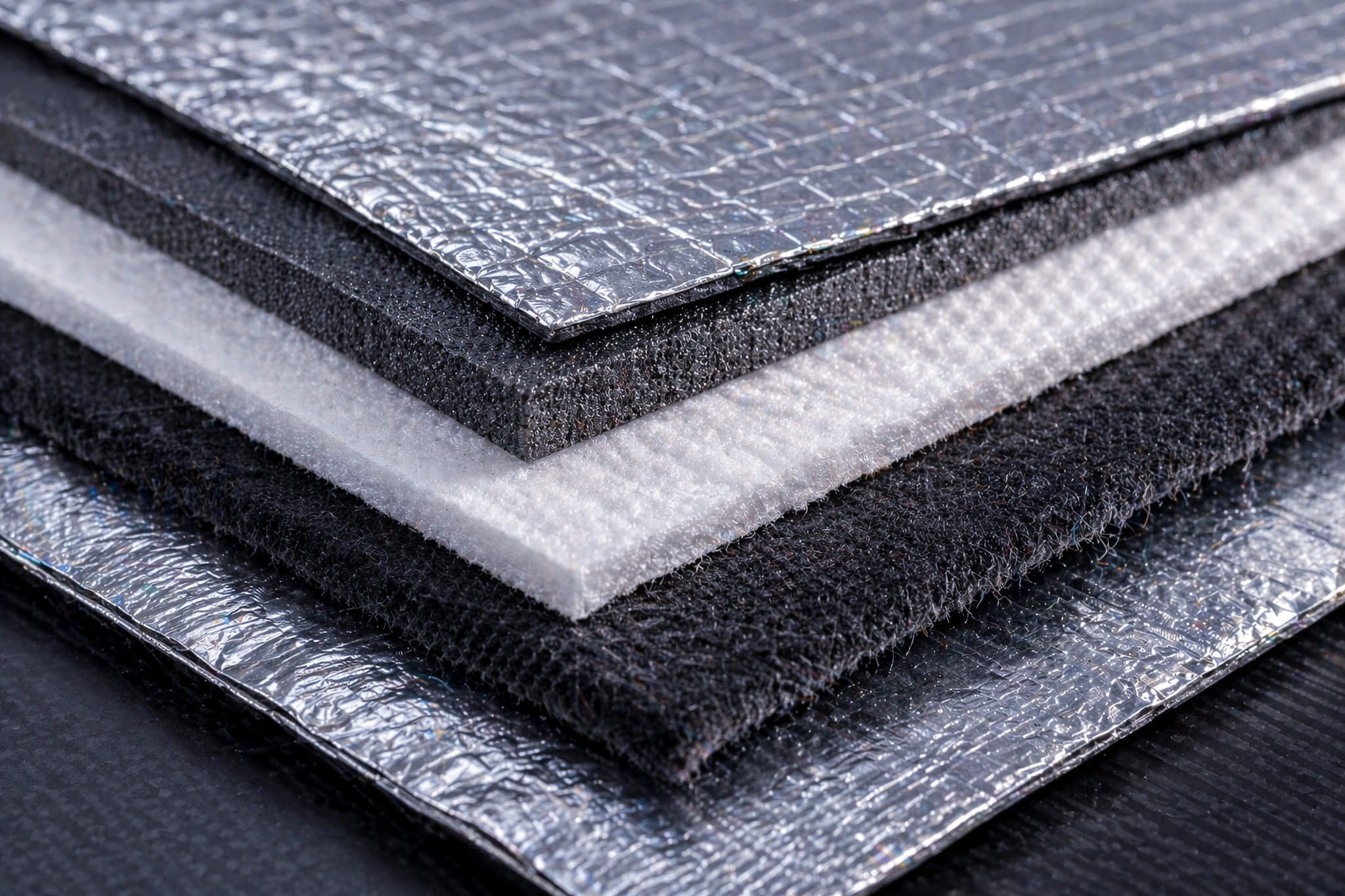
Insulation & Protection
Thermal and acoustic insulation is applied, along with protective treatments, to protect systems and ensure resistance to corrosion, moisture, and harsh environments.
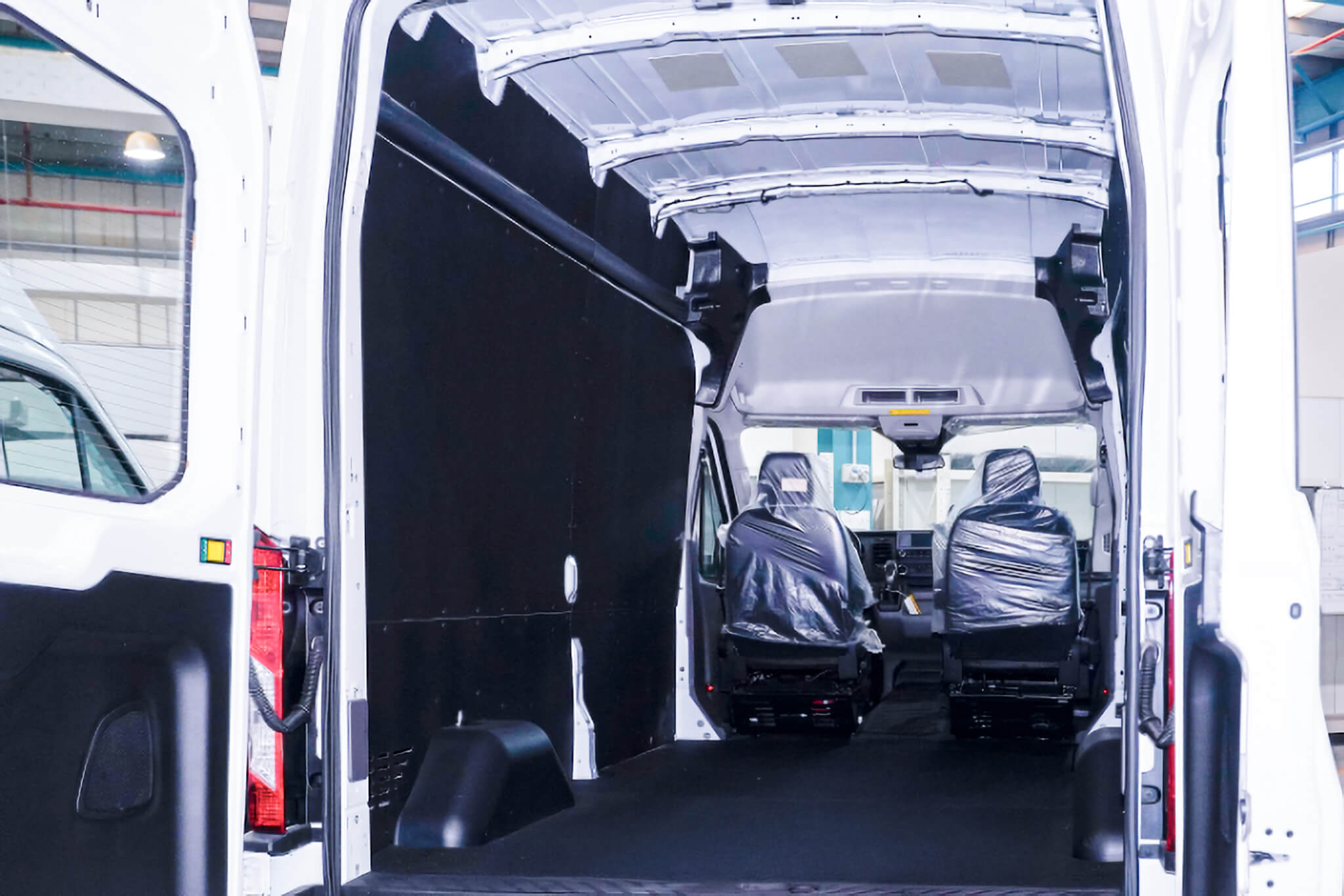
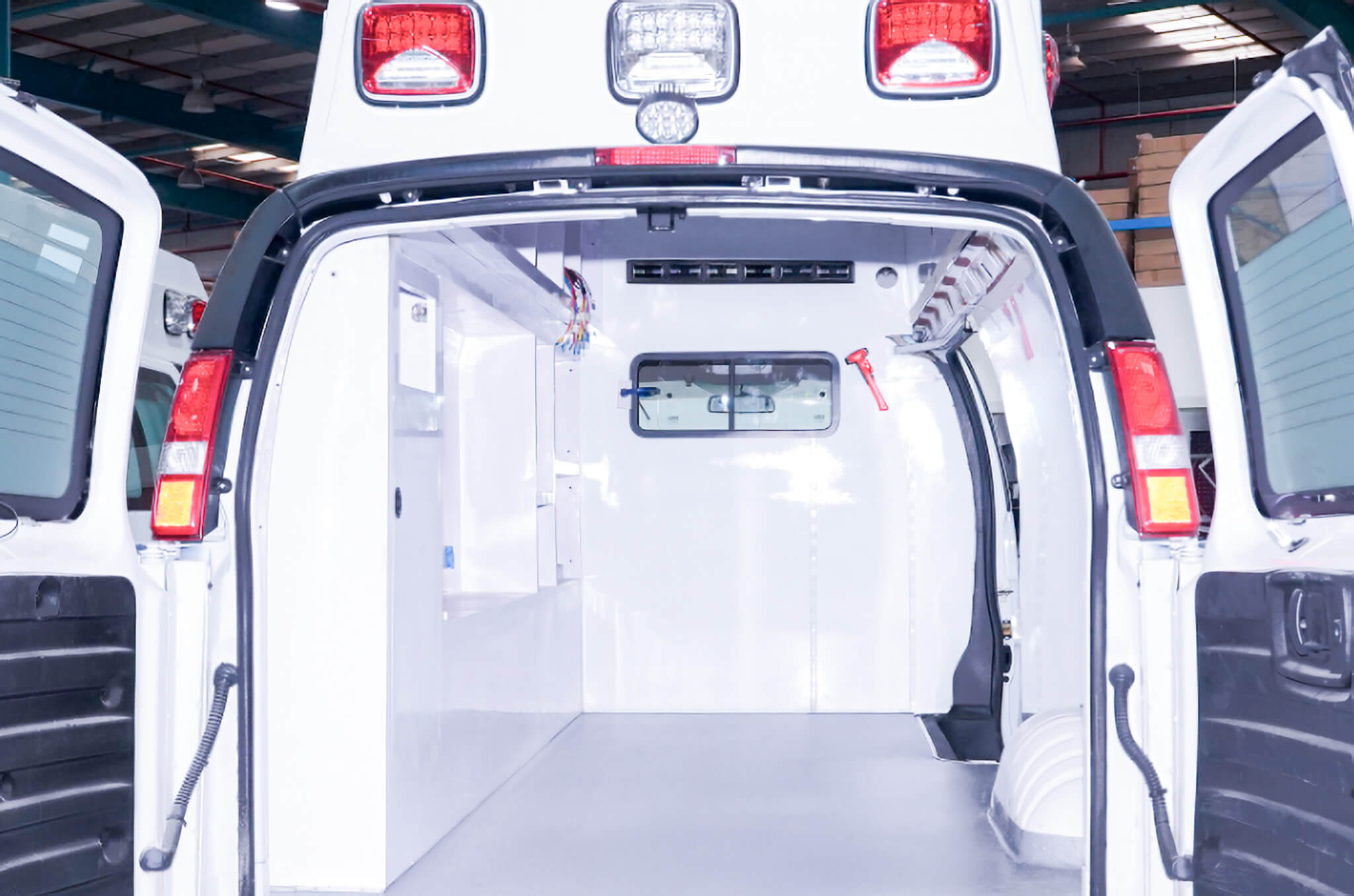
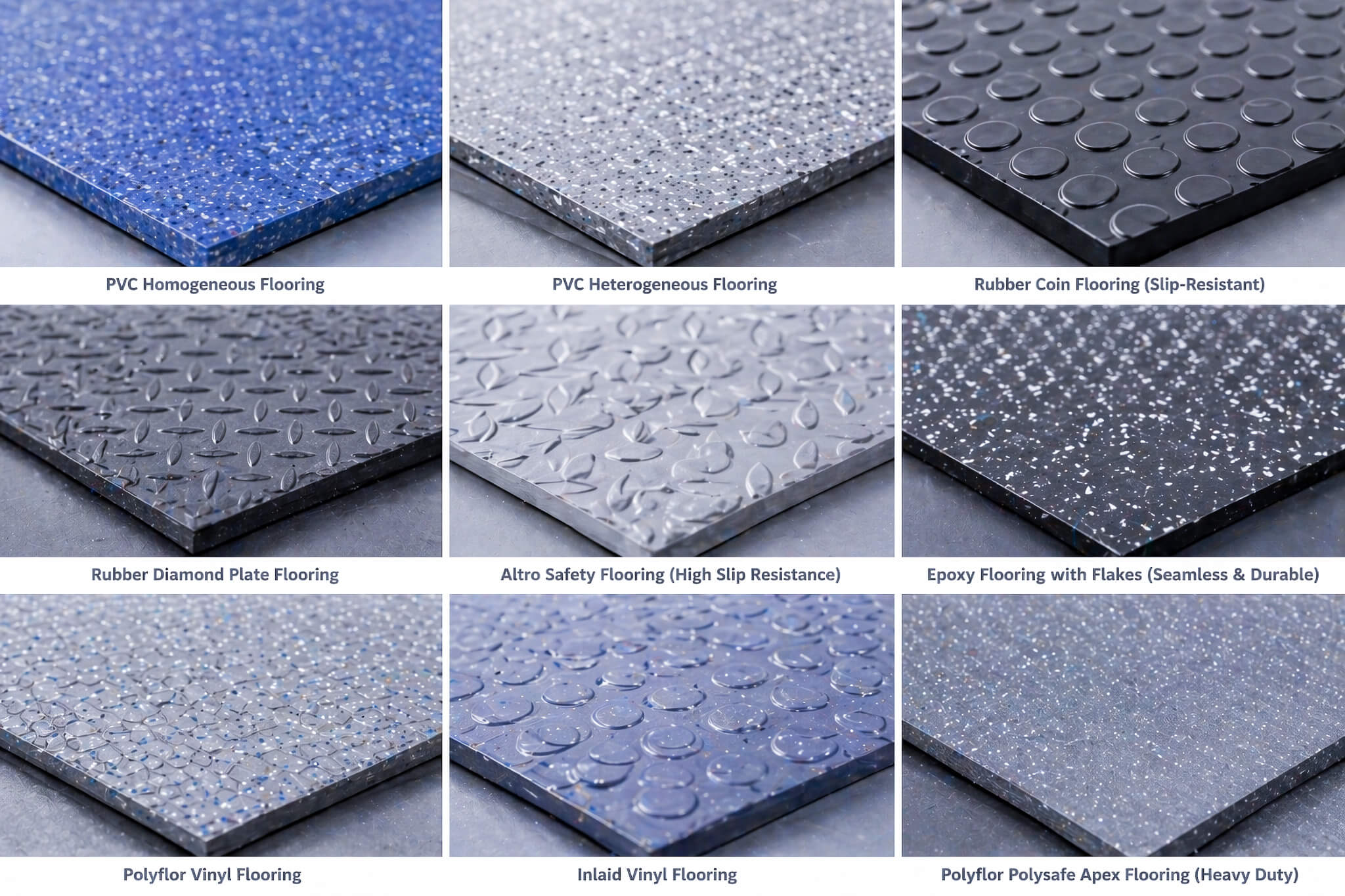
Interior Build
Walls, ceilings, and flooring are constructed using durable, hygienic materials with anti-slip and easy-to-clean finishes, suitable for medical environments.

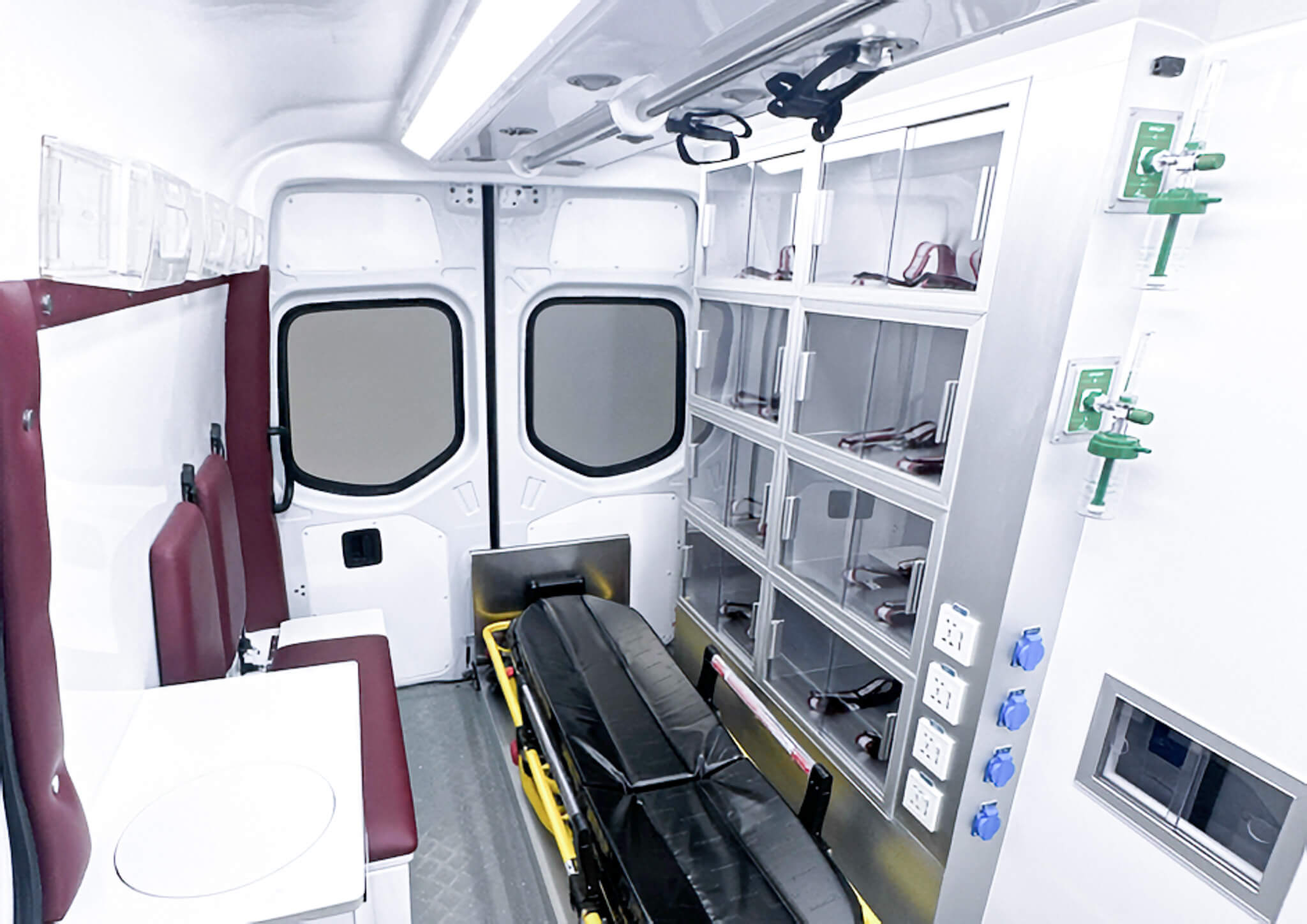
Cabinetry & Storage
Cabinet systems are installed to provide durable, hygienic, and efficiently organized storage, adapted to project-specific requirements.


Layout & Climate Systems
The interior layout is finalized to ensure efficient workflow and safe access, while climate systems maintain controlled temperature and airflow within the vehicle.


Lighting Systems
Interior, exterior, and emergency lighting systems are installed and configured to ensure visibility, safety, and operational readiness.


Medical Equipment Integration
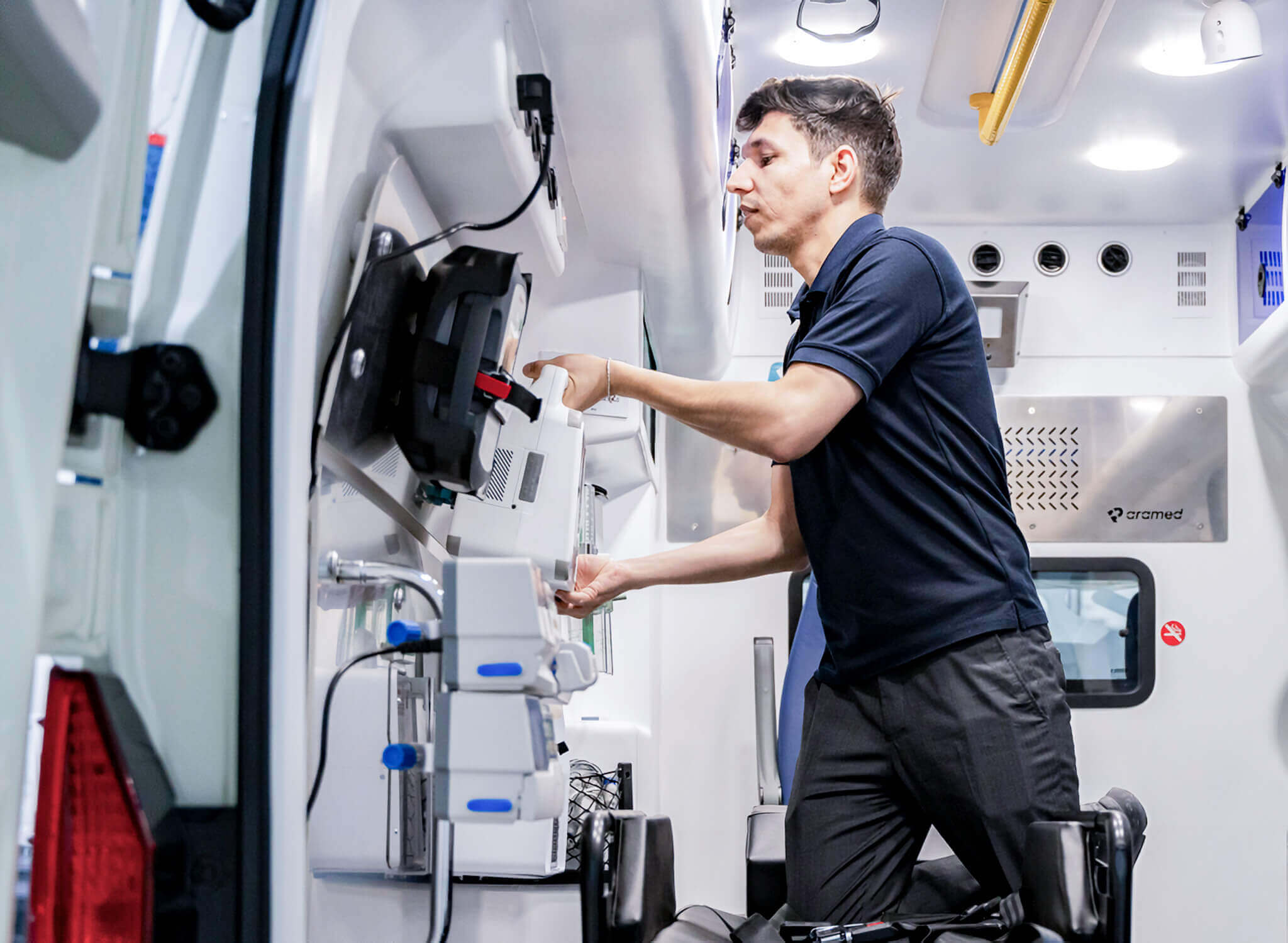
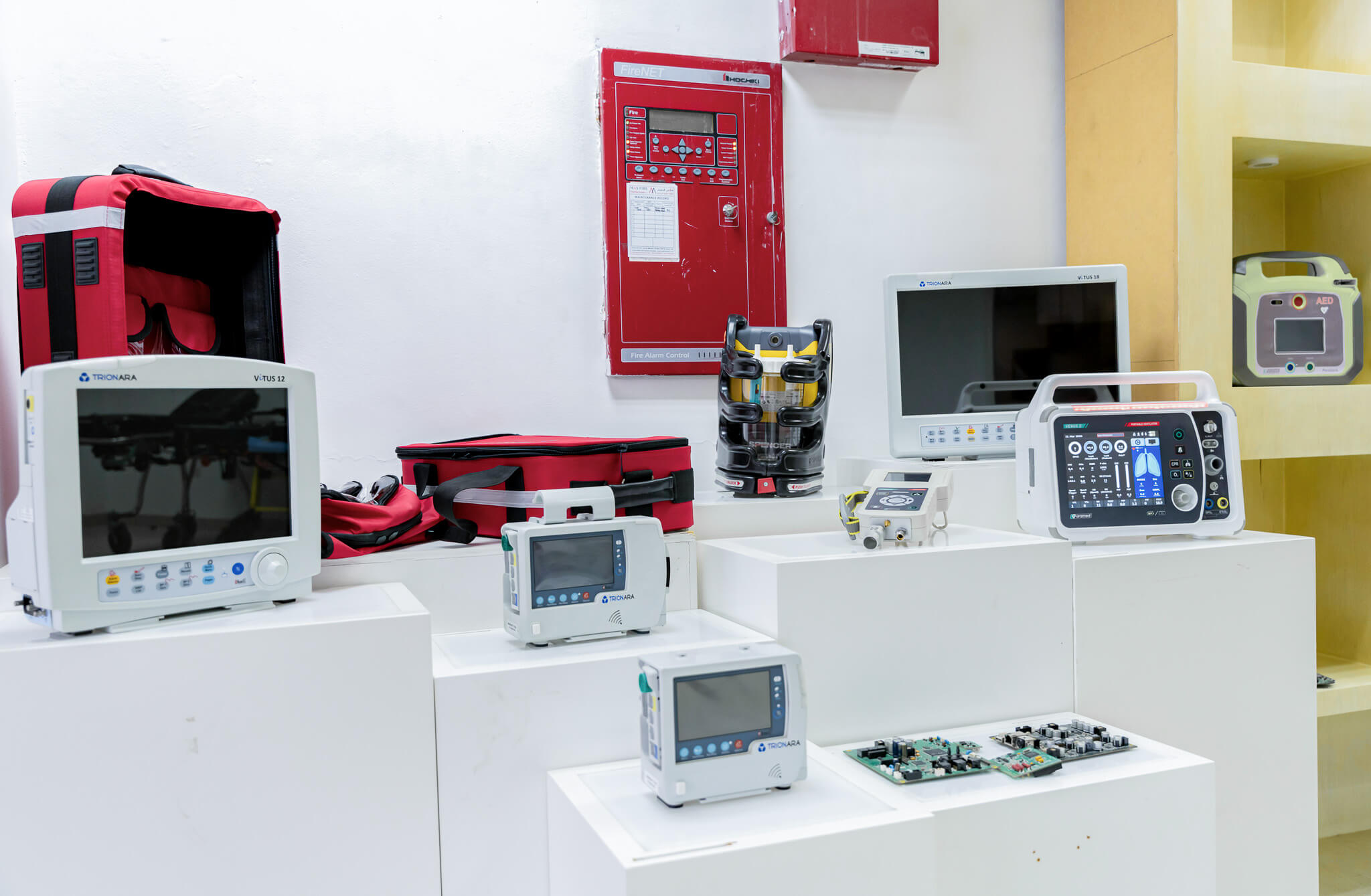
Medical systems—including stretcher units, oxygen supply, suction systems, and mounted equipment—are securely integrated for safe and efficient operation.

Design & Livery Customization
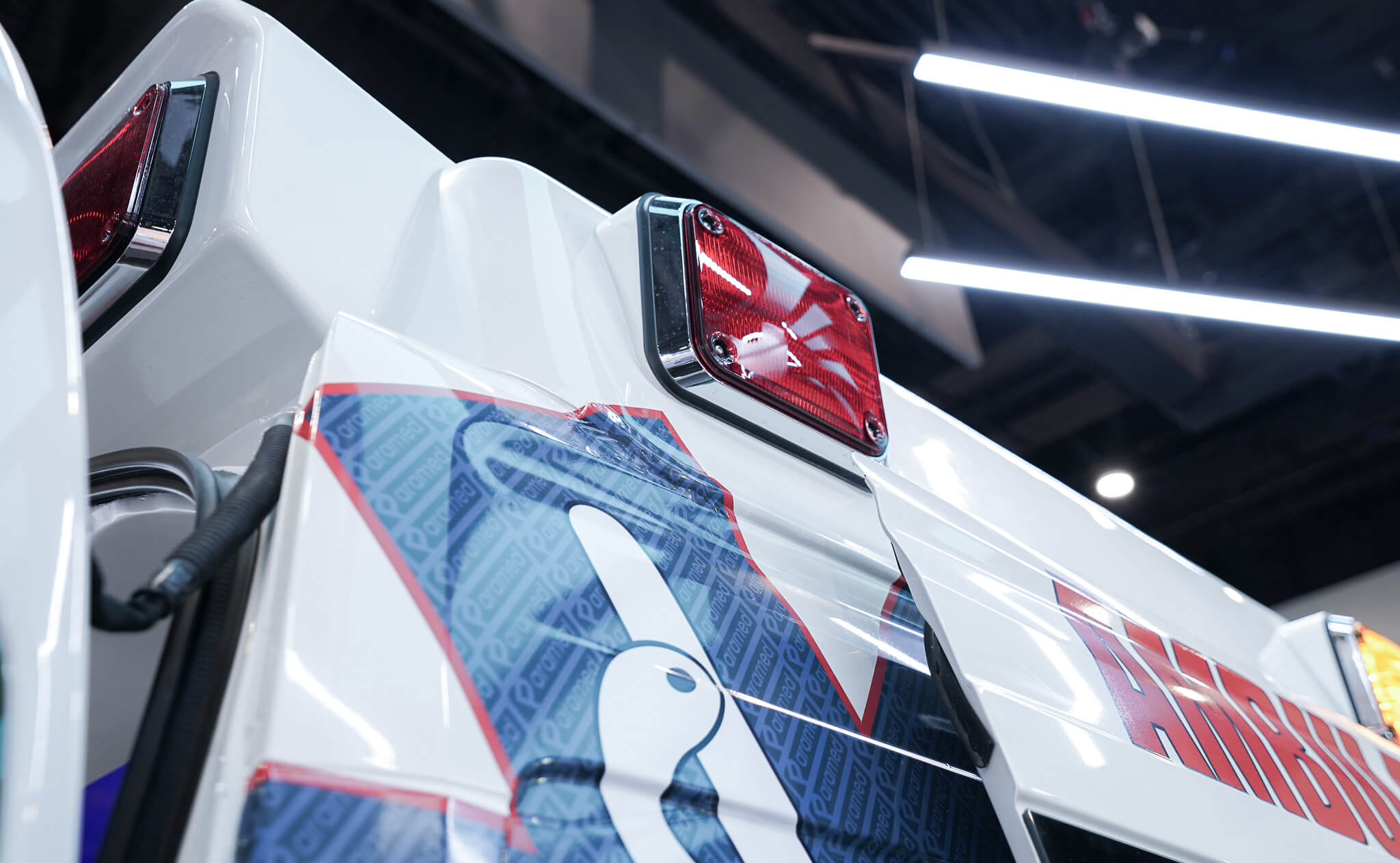
Exterior and interior design elements are applied to align functionality with a clear visual identity, including branding, color schemes, and reflective markings based on client requirements.
System Programming & Control
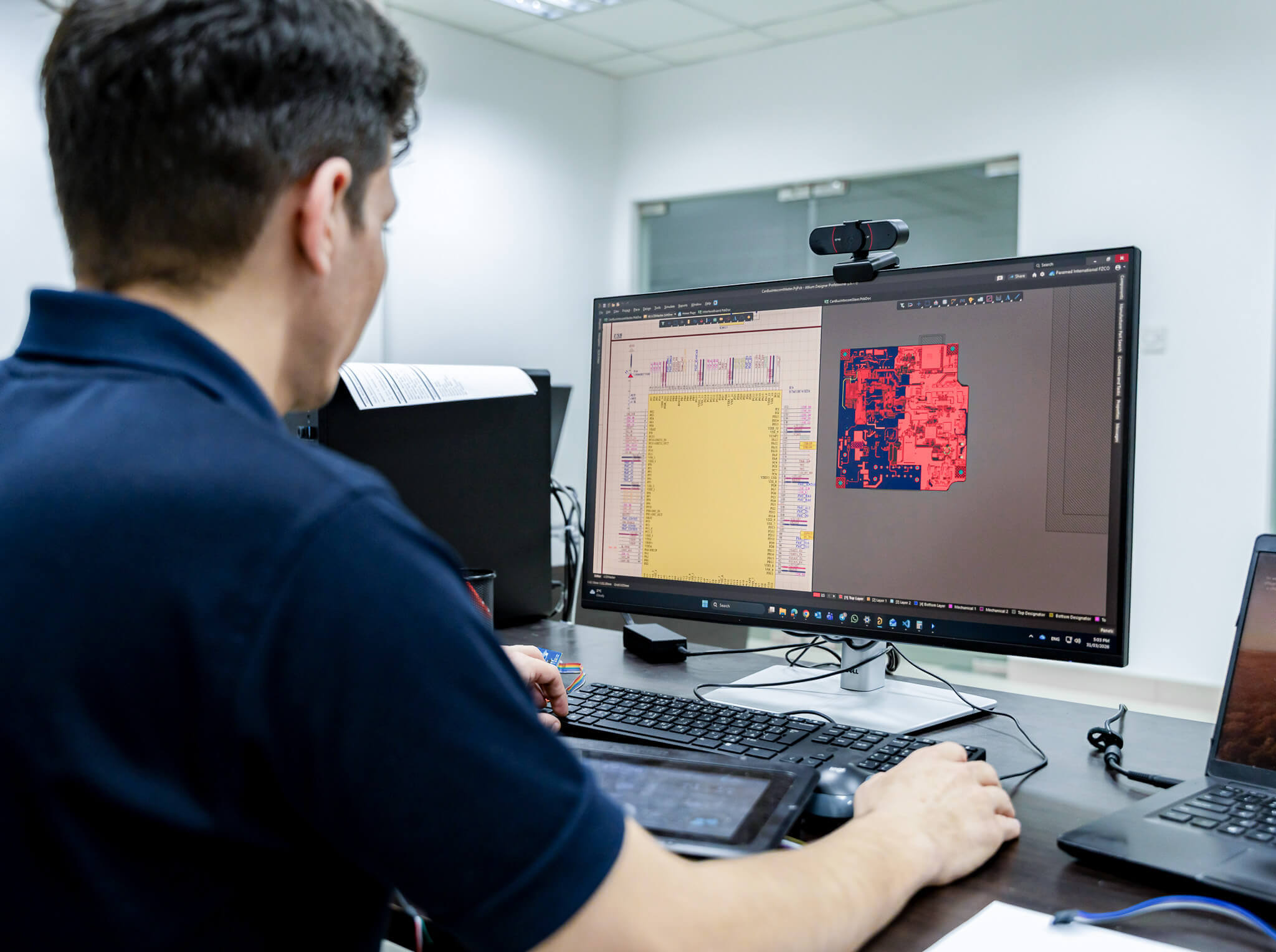
All systems are programmed and calibrated to ensure proper functionality, coordination, and operational logic.

Testing & Validation
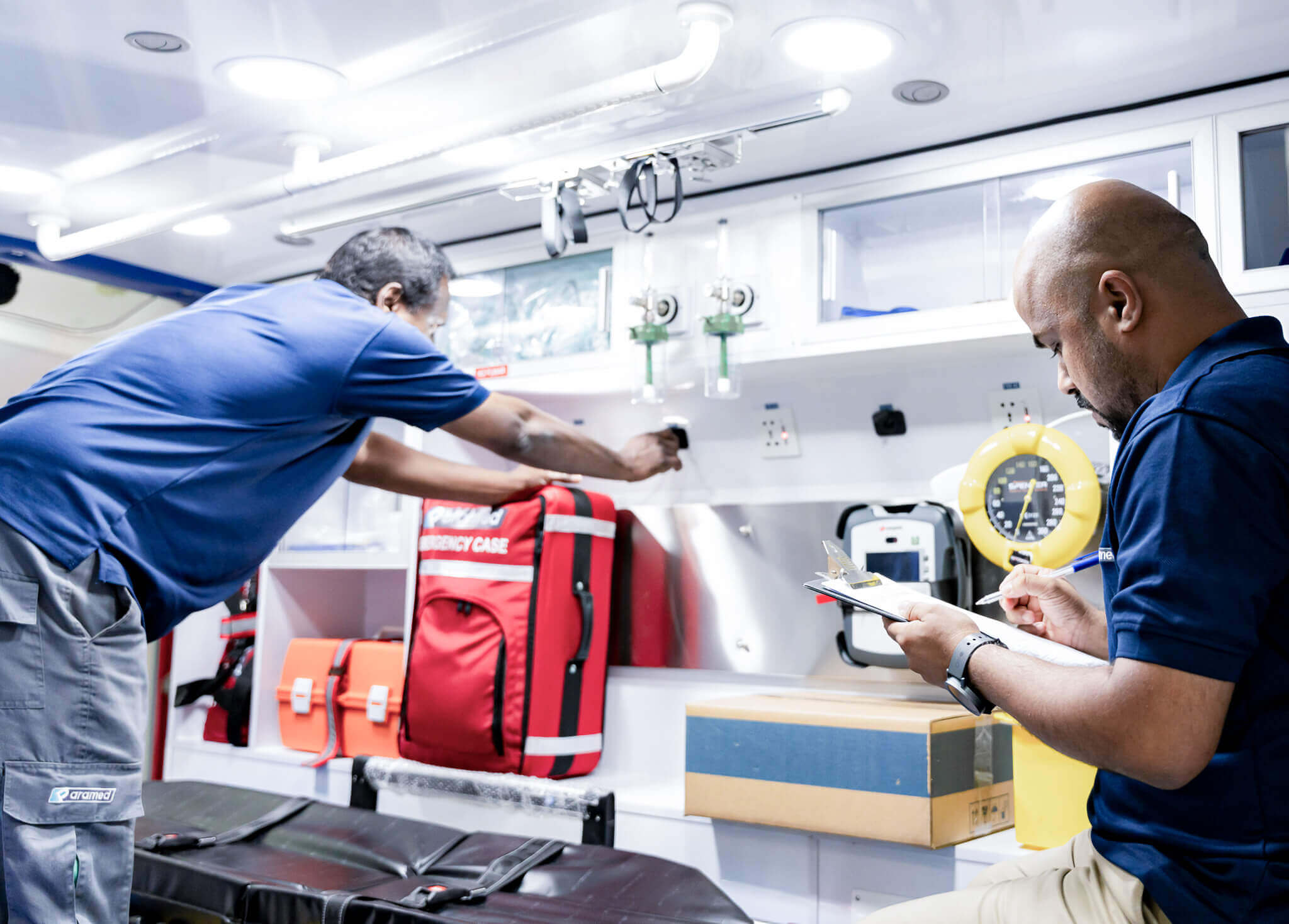
Each vehicle undergoes comprehensive testing to verify system performance, safety, stability, and reliability prior to delivery.
Quality Control at Every Stage of Production
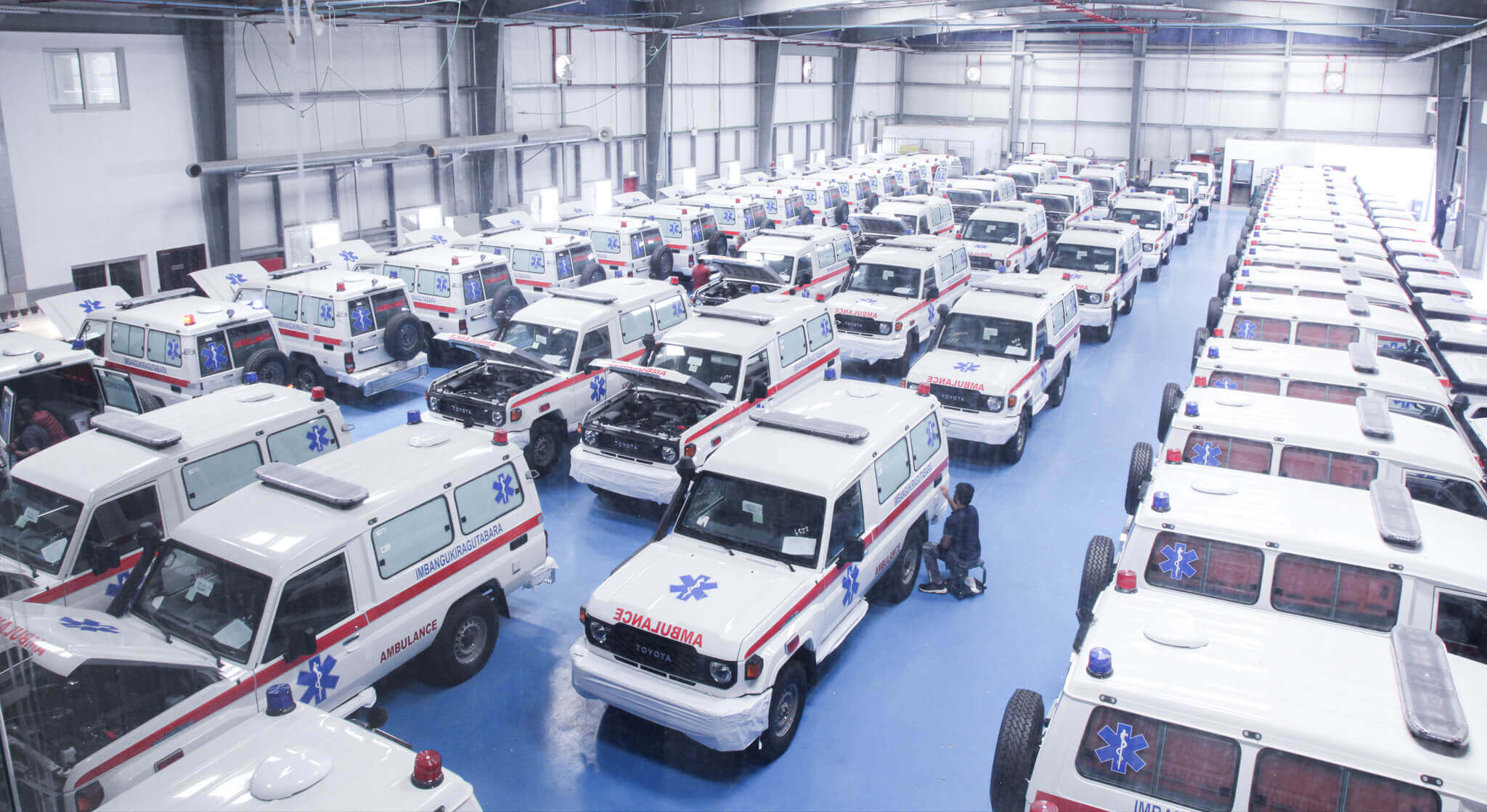
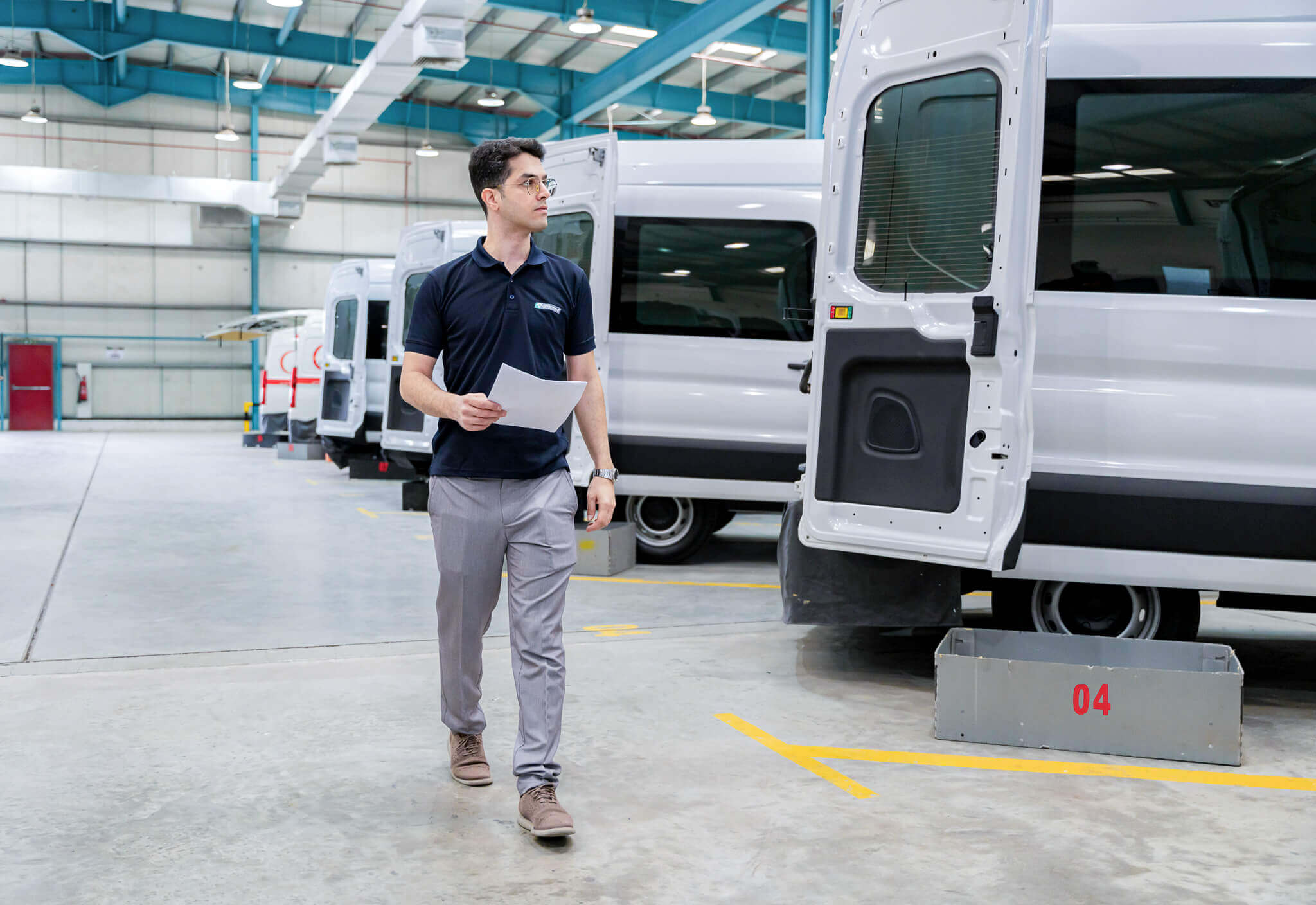
From structural fabrication and electrical integration to medical equipment fit-out, every one of our twelve production stages is inspected before the next begins. It's a disciplined approach to ambulance manufacturing that has made Paramed a trusted ambulance manufacturer for hospitals, governments, and NGOs across the GCC and Africa — vehicles built to hold up to years of demanding emergency service, not just pass a final inspection.
FAQs
Answers to common questions about our ambulance manufacturing process, standards, and customization options.
What standards guide our ambulance manufacturing process?
Every stage of our ambulance manufacturing process is built around three reference standards: the European EN 1789 standard, the GCC-aligned GSO 1789 standard, and the U.S. KKK-A-1822F specification. These govern everything from structural integrity and electrical safety to medical equipment mounting, and our engineering team checks each design against them before a single panel is cut. For background on the European framework, see the EN 1789 ambulance standard.
How long does the ambulance manufacturing process take?
Lead time depends on the chassis, the level of customization, and current production volume, but most projects move through our twelve production stages within weeks rather than months. Fleet orders and projects with non-standard equipment lists typically take longer, since additional engineering review is built into the design and electrical integration stages.
Can the process be customized for a specific project?
Yes. While the underlying ambulance manufacturing process stays consistent for quality reasons, individual stages — cabinetry layout, medical equipment integration, livery and branding — are adapted project by project. Government tenders, NGO fleet programs, and private hospital orders each come with their own equipment lists, chassis preferences, and compliance requirements, and our engineering team designs around them from the earliest planning stage. Browse our full range of ambulance types to see the platforms we build on.
What quality checks happen during production?
Each stage is inspected before the next one begins, rather than relying on a single check at the end of the line. Electrical systems are tested after integration, structural reinforcements are verified before interior fit-out starts, and every finished vehicle goes through comprehensive testing and validation before it leaves our Dubai facility.
What happens if a vehicle fails a check?
If any stage doesn’t meet its checklist — a wiring run that doesn’t match the design, a stretcher mount that’s out of tolerance, a panel gap that exceeds spec — the vehicle doesn’t move forward until it’s corrected. This step-by-step sign-off is what keeps defects from compounding through a twelve-stage build.
Does Paramed only build road ambulances?
Road ambulances are the core of our ambulance manufacturing process, covering patient transport, basic life support, advanced life support, and 4×4 field emergency configurations. The same engineering discipline extends to our mobile medical units, which share the same design review, fabrication, and testing stages.
Which regions does Paramed serve?
While our ambulance manufacturing facility is based in Dubai, the vehicles that come out of it are exported across the GCC, wider Middle East, and Africa, supporting hospital fleets, government health ministries, and NGO emergency response programs. Being built to internationally recognized standards from the outset makes cross-border tendering and registration considerably more straightforward for our clients.
Paramed has been designing and manufacturing ambulances and specialized medical vehicles in Dubai since 2007, and our ambulance manufacturing process reflects two decades of refinement — informed by tenders, field feedback, and the practical realities of operating fleets across demanding environments. Whether you need a single Type B ambulance or a fifty-unit government order, every vehicle follows the same twelve-stage build, the same standards, and the same testing before it reaches you.